Home · Services · Water Removal After a Fire
Water Removal After a Fire in Vista, CA
Quick answer
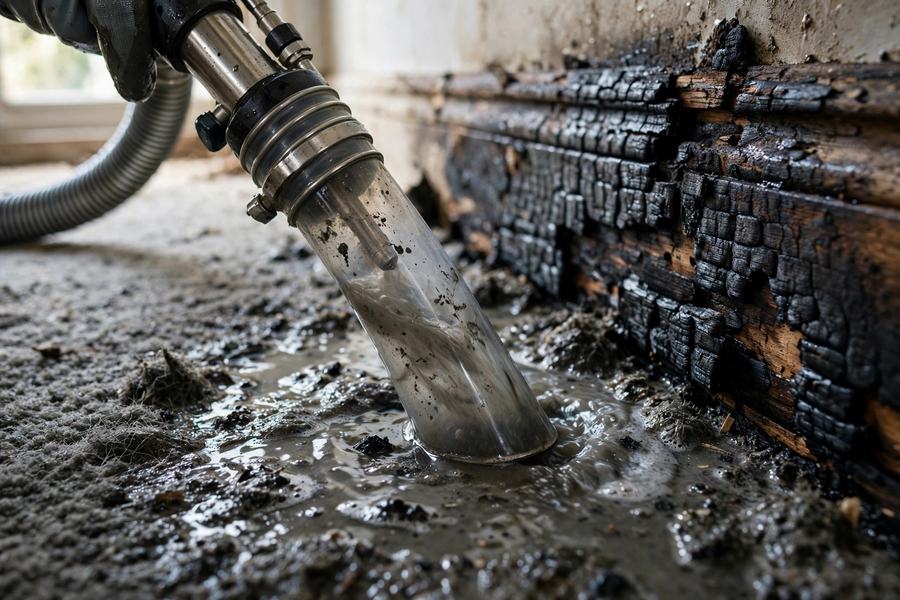
Extracting and drying the water firefighters used, which soaks floors, walls, and contents while the fire is being put out.
Suppression water in Vista's hillside homes runs downhill through split-level and terraced floor plans and pools against the downhill walls. Extraction pairs with moisture mapping of those walls, since a terraced house dries like three stacked houses, not one.
Signs you need water removal after a fire
- Visible soot on walls, ceilings, or contents far from the fire room
- Smoke odor that returns after airing the house out
- Charred or heat-damaged materials and wiring
- Water pooled from firefighting in low rooms
- Windows or doors open to weather after the fire
What the job involves
What affects the price
- How far soot traveled on the pressure path
- Residue type: dry, wet, or protein, which changes method by surface
- Contents cleaning and storage scope
- Structural and electrical assessment where heat reached framing or wiring
- Firefighting water scope riding with the fire scope
When it is an emergency
A fire scene is an emergency until the property is secured and documented: open windows and doors, exposed wiring, and water left from firefighting all keep damaging the home after the trucks leave. Photograph everything before cleanup and call the same day.
PLACEHOLDERWater Removal After a Fire across the Vista area
Related services
Fire Damage Restoration
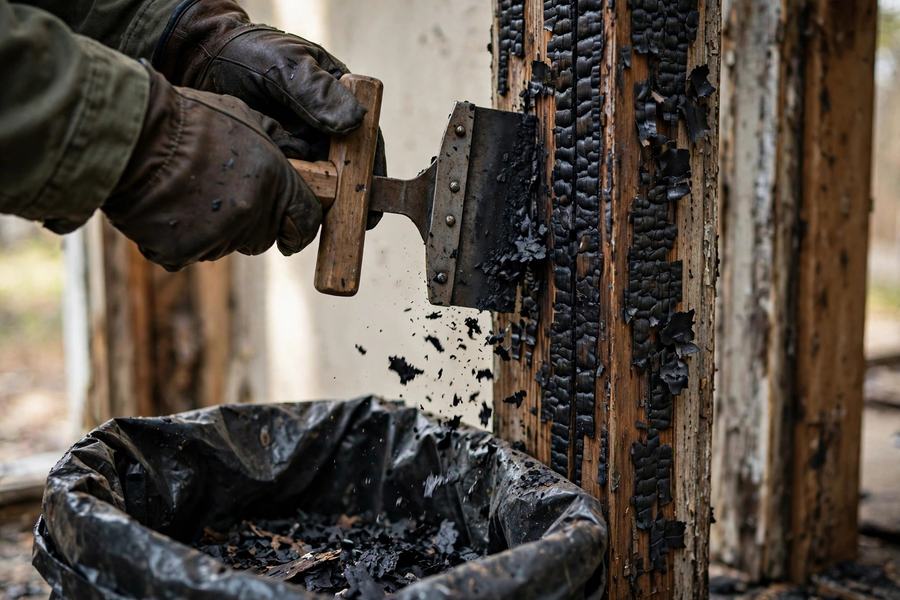
Full restoration after a fire in the home: securing the property, removing what burned, cleaning smoke and soot, and rebuilding what the fire took.
Smoke Damage Cleanup
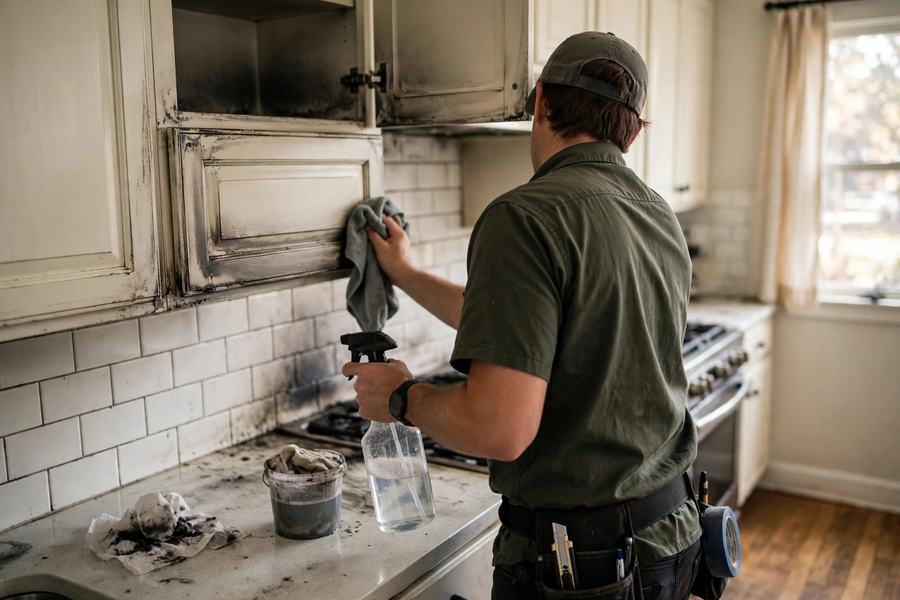
Cleaning smoke residue and odor from walls, ceilings, and belongings, including in rooms the flames never reached.
Kitchen Fire Cleanup
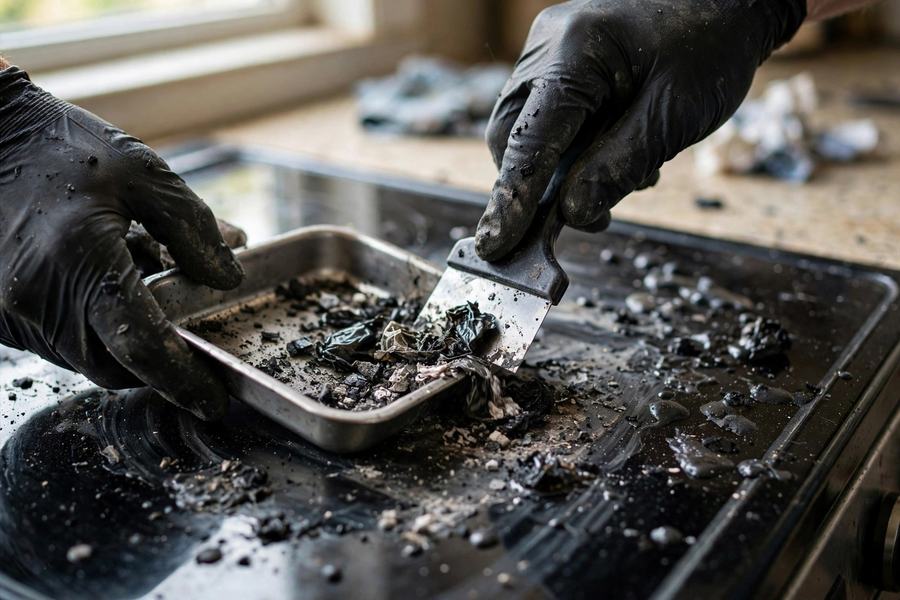
Cleanup after a cooking or grease fire, where the flames may be small but the protein smoke coats the whole home.
Contents Cleaning and Pack Out
Sorting, cleaning, and where needed storing your belongings after a fire, with a documented inventory for insurance.
Water Removal After a Fire questions, answered
When is water removal after a fire an emergency?
A fire scene is an emergency until the property is secured and documented: open windows and doors, exposed wiring, and water left from firefighting all keep damaging the home after the trucks leave. Photograph everything before cleanup and call the same day.
What affects the price of water removal after a fire in Vista?
The main price factors for water removal after a fire are covered in the cost section above. The contractor confirms the exact price in a written estimate after seeing the job, and nothing is owed until you approve it. The call and the referral are free.
How much does fire damage restoration cost?
Published national figures from Angi (2026) put most homeowners' fire restoration between about $3,100 and about $52,000, with an average near $27,500 and cleanup priced around $4 to $7 per square foot. A minor kitchen smoke cleanup can start under $1,000, while a structural fire runs far past the top of that range. What decides your number is how many rooms burned versus smoked, whether structure is damaged, and how much firefighting water has to come out. Anyone quoting a firm total by phone is guessing; the honest sequence is an in person assessment and a written scope.
What should I do first after a house fire in Vista?
Safety first, always: do not re-enter until the fire department says the structure is safe. Then, in order: call your insurer to open the claim, arrange board up for any broken windows, doors, or roof damage so the home is secure that night, and do not wipe soot, wash walls, or run the heating and air system, because all three spread the damage. Photograph everything before anything is moved or thrown away, and keep receipts for any emergency spending.
Can I stay in my home after a fire?
If the fire department or your insurer's assessment says the home is unsafe or uninhabitable, no, and loss of use coverage may pay for a hotel or rental in the meantime. For a contained fire (a kitchen fire with smoke through the house, for example) staying is sometimes possible after the assessment, but smoke residue is a respiratory irritant, the HVAC should stay off until ducts are checked, and children, older adults, and anyone with asthma should be cautious. Ask the question directly at the assessment and get the answer in the scope notes.
Request a callback
Prefer to talk later? Leave your details and an independent local pro will call you back. No charge to you, no obligation.
Buena Vista Fire Restoration is a free referral service. Submitting this form connects you with independent local contractors who provide the work.